
An Osteopathic Approach to Concussion Recovery
Concussions and minor traumatic brain injuries are often underestimated, but their repercussions can profoundly affect the quality of life, manifesting through a multitude of symptoms ranging from persistent headaches to brain fog. Facing these complex disorders that disrupt the body’s nervous and fluid systems, osteopathy offers a precise manual approach aimed at restoring mechanics, circulation, and nervous function.
This text explores the nature of concussion and details the specific osteopathic approach I use, integrating the Osteopathic Mechanical Link and the fundamental principles of the craniosacral system, to support recovery.
What is a Concussion and Why Does it Cause Symptoms?
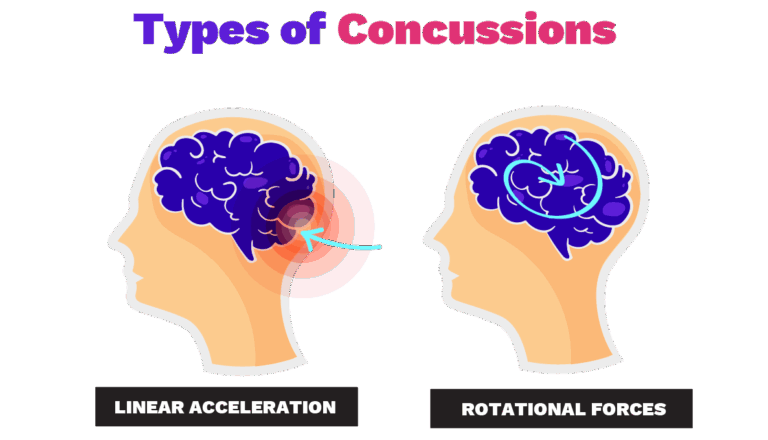
A concussion is the result of rapid acceleration and deceleration of the brain inside the cranial box. Even a minor fall or impact can cause it. This trauma creates a functional disorder—a kind of « electrical short-circuit »—often without major structural damage visible on a standard scan.
When these systems—the mechanical structures, blood flow, and nervous signals—are disrupted by a concussion, you experience a wide variety of symptoms, including:
Physical: Headaches, dizziness, low energy, and fatigue.
Sensory: Vision problems (double or blurred) or hearing issues (tinnitus, for example).
Cognitive: Memory loss, difficulty concentrating, or that heavy feeling of « brain fog. »
Emotional: Mood changes, irritability, or depression.
These are a few examples of signs and symptoms, there are more and varies in intensity and from one case to another.
My Treatment Philosophy: Healing Starts Here
My goal is to help your body re-establish its optimal function. When approaching concussions, I focus on CORE OSTEOPATHIC PRINCIPLES: treating the whole body as a global entity; ensuring blood supply is optimal (the role of the artery is supreme) to feed the brain; recognizing that structure and function are interrelated; and trusting the body’s innate ability to heal itself (self-regulation).
I use the Osteopathic Mechanical Link approach to quickly and accurately find the most crucial physical restrictions in your body, from your head and spine to your pelvis and chest.
Assessment: I assess the whole body to localize the most important restrictions—the primary blockages caused by the trauma.
Treatment (Recoil): Using the recoil technique—a very rapid, precise, and gentle impulse—I directly release that blockage, allowing the tissues to reset and restore their function.
The Craniosacral System
Trauma directly affects the membranes and fluids around your brain and spine. I always keep in mind the five principles of the Craniosacral System to address these deeper disturbances:
Fluid Motion in the Skull: I feel for a rhythmic, symmetrical movement of the skull, which indicates healthy fluid dynamics and tissue function within the brain.
CSF Fluctuations: The Cerebrospinal Fluid (CSF) surrounds the brain and spinal cord. Its optimal movement is paramount for being symptom free and have optimal health.
Spinal Tension (The Dura Mater): I evaluate the mobility of the dura mater (the tough, protective sleeve covering your brain and spinal cord) from the skull down to the coccyx. A restriction anywhere along the spine affects this entire system.
Sacrum Mobility and Intrinsic Mobility: The sacrum is located between the hip bones and at the end is the tail bone. A blockage here can create significant tension on the whole system via the dura mater, potentially affecting the cranium.
Cranial Sutures: I gently evaluate the joints between the cranial bones (sutures), like the temporal and occiput. These subtle articulations must move freely to maintain optimal fluid and nervous function.
Clinical Examples: What I Can Address
Example 1: The Whiplash Connection (Restoring Venous Drainage)
A client with severe post-whiplash headaches was struggling. The trauma created a blockage in the occipitomastoid suture (behind the ear). This area is critical because the major venous sinuses drain through it, eventually forming the jugular vein. By restoring the mobility of this suture, we facilitated venous drainage from the skull, leading to relief from her frequent headaches.
Example 2: Axial Compression and Recovery
Another client suffered a direct blow that caused axial compression (a force driven head-to-foot). She had severe headaches, dizziness, low energy, and difficulty concentrating.
Finding: The assessment revealed strong compression at the occiput and upper neck vertebrae (C1, C2)—a crucial area housing the brainstem.
Result: After treating the compression at the occiput and C1, her headaches and dizziness disappeared instantly, her energy improved, and she successfully returned to work, noting a great improvement in her ability to focus.
By targeting the most restricted areas, we helped her body restore its vital functions for nervous and circulatory regulation, accelerating her return to normal life.
Book an appointment in Calgary or Canmore